View of a snowy mountain range with desert foreground

About Canines for Heritage Preservation

Canines for Heritage Preservation uses specially trained detection dogs to locate potential unmarked human burials in archaeological and cultural resource contexts.

Why This Work Matters

Across many landscapes, human burials exist outside formally recorded cemeteries. Detection dogs provide a non-invasive method to identify these areas, supporting preservation, avoidance, and further investigation.

Our Commitments

We conduct surveys with discretion, respect for communities, and collaboration with archaeologists, tribal representatives, and land managers. Our work follows CRM laws and frameworks such as NHPA, NAGPRA, and AIRFA.

Background and Experience

Canines for Heritage Preservation integrates detection dog survey with archaeological and cultural resource management practices.
  • Archaeological and cultural resource management experience
  • Specialized detection dog training and handling
  • Field survey logistics and GPS mapping
  • Collaboration with archaeologists, tribal representatives, and land managers

About Melissa

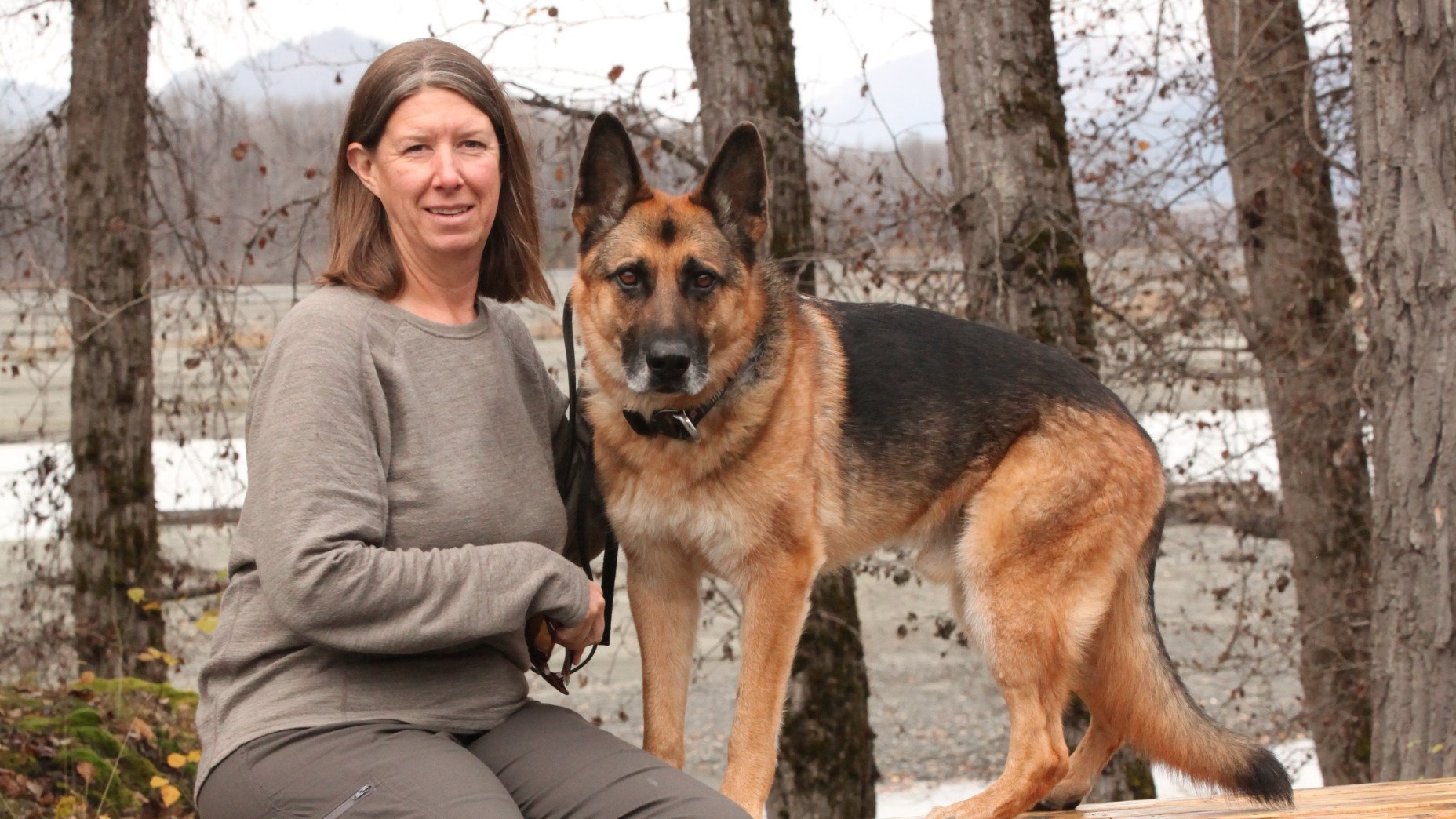
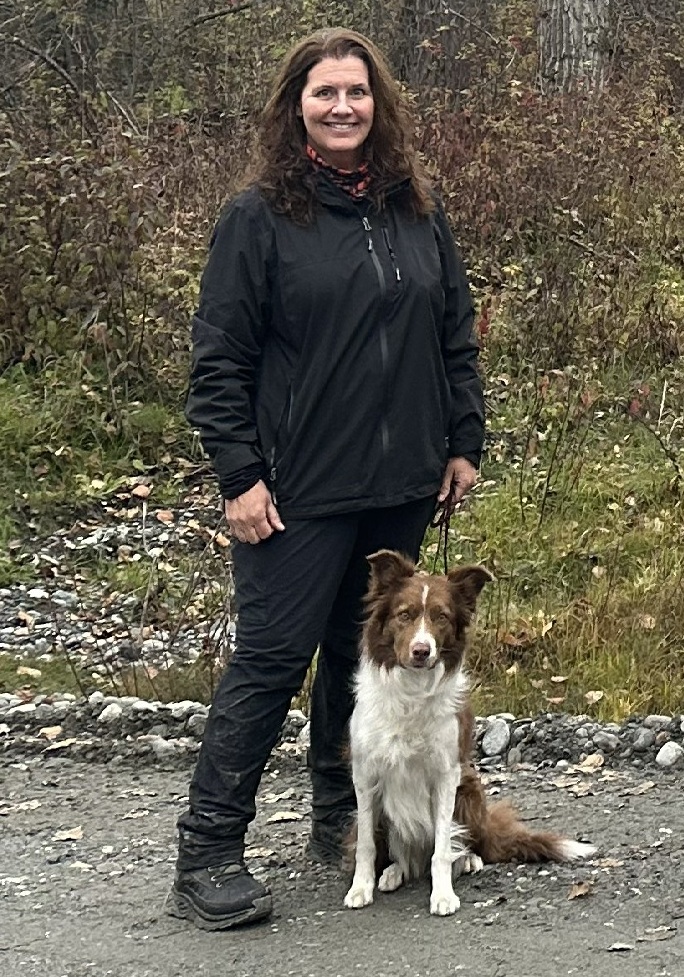
CHP owner Melissa pictured with her detection dog Hawk.
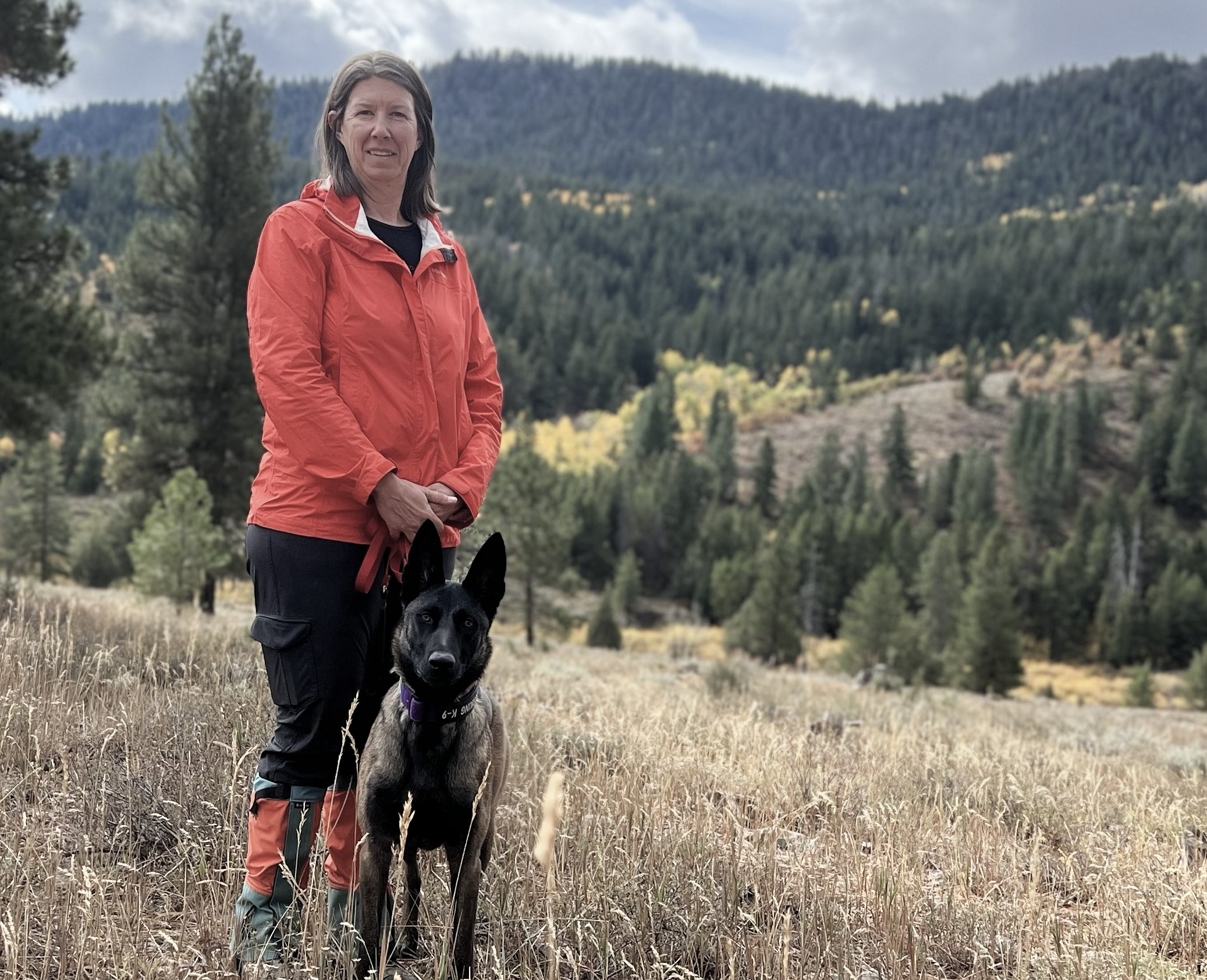
Melissa Kindt is the founder of Canines for Heritage Preservation and lead handler for the detection dog teams. Her work focuses on the use of archaeological human remains detection (AHRD) dogs to support the identification and documentation of unmarked burials, historic cemeteries, and culturally sensitive sites.

Her approach integrates detection dogs with geospatial analysis, remote sensing, and sUAS data collection to support accurate, non-invasive field investigations. She has contributed to archaeological and research-based projects across the United States, working alongside archaeologists, researchers, and public agencies in a range of environmental and operational contexts.

Melissa’s work is informed by ongoing academic training in anthropology, archaeology, forensic anthropology, and GIS, with a focus on detection methods and remote sensing in burial identification. She maintains certifications in human remains detection handling and FAA Part 107 sUAS operations, supporting a consistent, standards-based approach to fieldwork and data collection.

Her experience with detection dogs began in search and rescue and evolved into forensic and archaeological applications. Hawk, a working-line German Shepherd, played a foundational role in this transition. While now largely retired, his influence remains central to her work. Melissa’s current working partner, Cheela, is a Belgian Malinois trained in archaeological human remains detection and active in field deployments.

In addition to professional work, Melissa remains active in the working dog and preservation communities through training, mentorship of search and rescue handlers, and support of public education efforts, including volunteer work with the Ute Indian Museum. She also contributes time to preservation-focused and community-based projects involving historic burial sites.

Trusted Partners and Collaborators

Canines for Heritage Preservation works with independent professionals to support project needs, including archaeological human remains detection teams, CRM specialists, and technical consultants. Collaborations are structured to align with project scope, location, and client requirements.

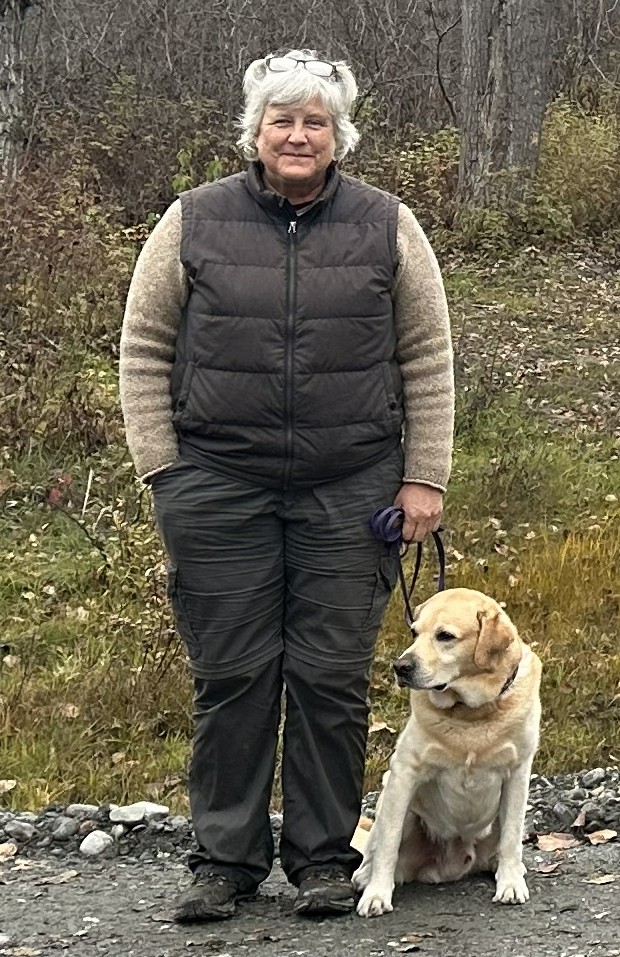
Janie Merickel, MBA

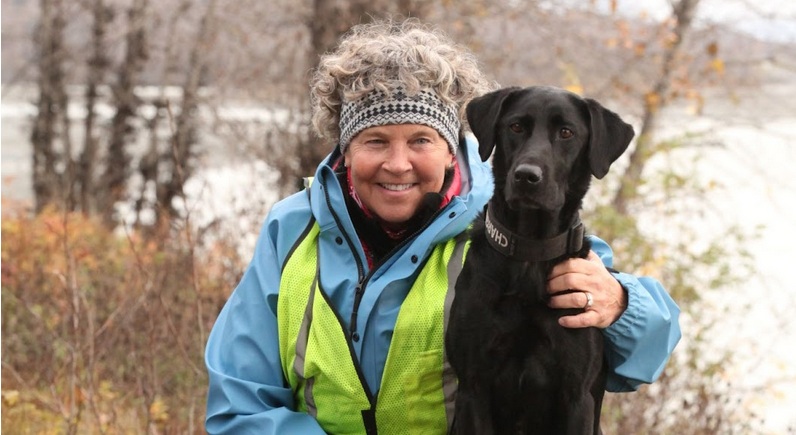
Independent parther Janie pictured with her detection dog Charger.
Janie Merickel is an Archaeological Human Remains Detection Dog (AHRDD) practitioner supporting cultural resource management (CRM) projects through systematic, science-informed detection work. She collaborates with archaeologists and CRM firms to assist in the identification of unmarked graves and areas of potential human remains.

Her work is grounded in both detection science and field application. She has completed advanced training and continuing education through organizations including Detection Science Solutions, the Forensic Anthropology Center at Texas State, the Forensic Investigation Research Station, and the Canine Olfaction and Detection Science Conference at Florida International University. She has also participated in a National Institute of Justice study examining the accuracy of human residual odor detection.

Janie holds an MBA from the University of Maryland and maintains professional certifications in dog training and handling. She is a Certified Training Partner through the Karen Pryor Academy (KPA-CTP), a CPDT-KA through the Certification Council for Professional Dog Trainers, and is completing advanced training through the Swedish Working Dog Institute.

Her field experience includes archaeological survey and compliance projects across a range of environments, including extended deployments and remote fieldwork. She has supported projects in Alaska and other locations in collaboration with CRM firms and public agencies, contributing to survey efforts related to infrastructure development and land management.

Her approach emphasizes integration with archaeological research design, careful documentation of detection work, and interpretation of results within environmental and cultural context.

In addition to fieldwork, Janie is the founder of Dog Merickel and creator of The Society For Dogs, a professional community focused on advancing detection dog training and application through structured learning and collaboration.